

In How Many Months Does the Transplant Hair Grow
A hair transplant is a popular cosmetic procedure that helps individuals regain their hairline and confidence. One of the critical concerns for those considering this procedure is the timeline of hair growth after transplantation.
Understanding how long it takes transplanted hair to grow can help set realistic expectations and ensure a smoother recovery process. This article will explore the typical timeline of hair growth after a hair transplant, shedding light on the different stages and the approximate duration of each phase.
At Cinik Clinic, we proudly present two of the most state-of-the-art hair transplant techniques. Let’s have a closer look at the nitty-gritty of both these procedures.
Follicular Unit Extraction (FUE): – Hair Transplant
Say goodbye to the scalpel! FUE is a minimally invasive hair transplant method that involves harvesting individual hair follicles from the donor area and strategically implanting them into the recipient area. With tiny, barely noticeable scars and a speedy recovery, FUE offers a seamless path to renewed confidence.

Direct Hair Implantation (DHI):
DHI takes FUE to the next level for the ultimate precision and natural-looking results. Using a specialized Choi Implanter Pen allows direct implantation of hair follicles, ensuring perfect placement and a beautifully restored hairline. Experience the artistry of hair restoration with DHI.

Healing Process Advantages:
Swift Recovery: With FUE and DHI, you can return to your routine in quickly. Minimal downtime and discomfort mean you can reclaim your life and show off your new hair sooner than you think.
Undetectable Scarring: Worried about visible scars? Fret not! FUE’s small dot-like spots and DHI’s precise implantation leave virtually invisible marks, allowing you to style your hair confidently.
Natural Results, Amplified: Whether you choose FUE or DHI, the goal is the same – achieving natural-looking hair restoration. These techniques ensure that your transplanted hair blends seamlessly with your existing hair, leaving you with a head of hair that feels ultimately your own.

The First Few Weeks:
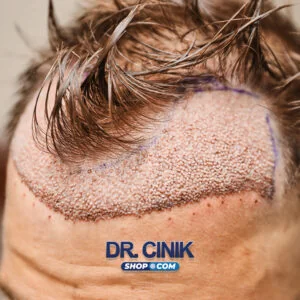
Patience is Key. Immediately after a hair transplant, it’s important to remember that newly transplanted hair follicles undergo a temporary rest period. During this time, patients may experience shedding of the transplanted hair, which is a natural part of the process. Being patient during this phase is essential as the transplanted hair follicles can take 2-3 months to start actively growing.
The Growth Phase: 3-6 Months
Around the third month after the hair transplant procedure, patients typically notice the initial signs of regrowth. The transplanted hair begins to emerge, albeit thinly and satisfactorily. During this phase, the growth rate varies from person to person, but it’s generally slower compared to the natural hair growth cycle. However, it’s crucial to note that the growth pattern is not uniform for all the transplanted hairs. Some hairs may sprout earlier than others, resulting in an uneven appearance.
Consolidation Phase: 6-12 Months
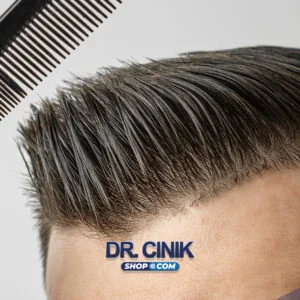
Between the 6th and 12th month following the hair transplant, patients usually observe significant improvement in the density and thickness of their transplanted hair. This period is often referred to as the consolidation phase. The newly transplanted hairs grow and mature, gradually blending in with the surrounding hair. By the end of this phase, most patients experience considerable hair growth and a more natural-looking hairline.
- Final Results: Beyond 12 Months, the final results of a hair transplant are typically seen after one year or more. During this period, the transplanted hair follicles mature and thicken, providing a fuller and more aesthetically pleasing appearance. Maintaining a healthy lifestyle and following your surgeon’s post-operative instructions are essential to ensure optimal growth and long-term results.
Factors Affecting Hair Growth:
Several factors can influence hair growth speed and quality after a hair transplant. These factors include:
- a. Individual Differences: Hair growth patterns and rates can vary from person to person due to genetics, age, overall health, and lifestyle factors.
- Surgical Technique: The surgeon’s expertise and the chosen hair transplant technique (e.g., FUE or FUT) can impact the success and growth of transplanted hair.
- Post-Operative Care: Following your surgeon’s instructions regarding post-operative care, such as avoiding strenuous activities, protecting the scalp from direct sunlight, and taking prescribed medications, can promote better hair growth.
At Cinik Clinic, we greatly pleasure assisting you throughout the postoperative process. Moreover, by utilizing our Cinik Shop products, we can significantly enhance your experience during recovery, minimizing any potential discomfort and promoting optimal growth.

Conclusion:
- Patience is vital in hair growth after a transplant. While the transplanted hairs may not grow immediately, they gradually begin to sprout within a few months, with significant improvements observed between 6 to 12 months.
- However, individual experiences may vary, and final results may take longer. Consulting with a qualified hair transplant specialist and following their recommendations will help ensure a successful outcome and good hair growth.
- Remember, it’s a journey towards regaining your confidence and enjoying the results of your hair transplant procedure.